
5 Powerful Ways AI in Healthcare Coordination Improves Patient Care
5 Powerful Ways AI in Healthcare Coordination Improves Patient Care
Healthcare is swift, complex, and deeply human. Every second counts—whether it’s sharing a lab result, responding to a critical alert, or coordinating care across departments.
Even with advanced electronic health records (EHRs), smart devices, and data dashboards, communication delays still cost time—and sometimes, outcomes.
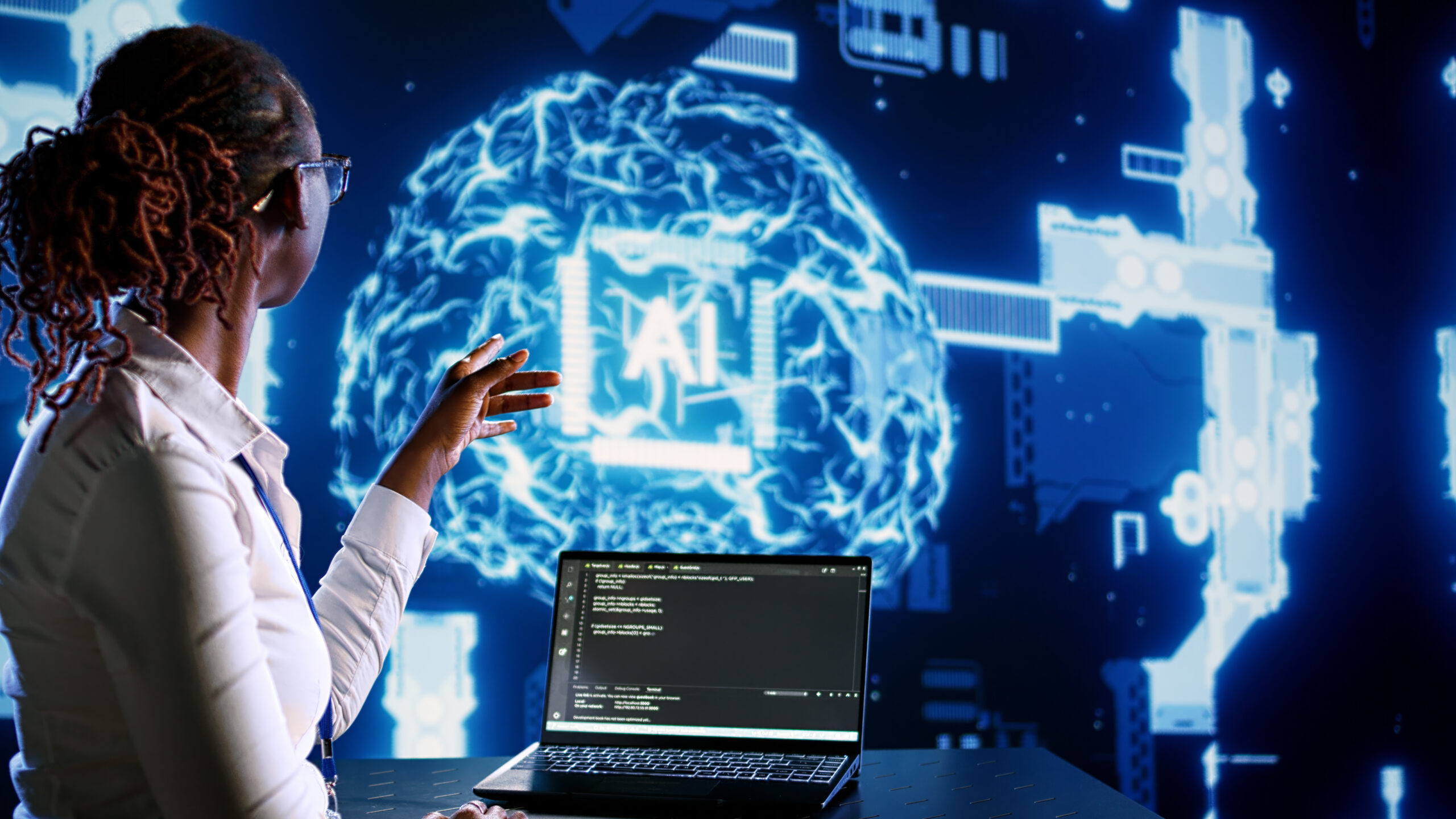
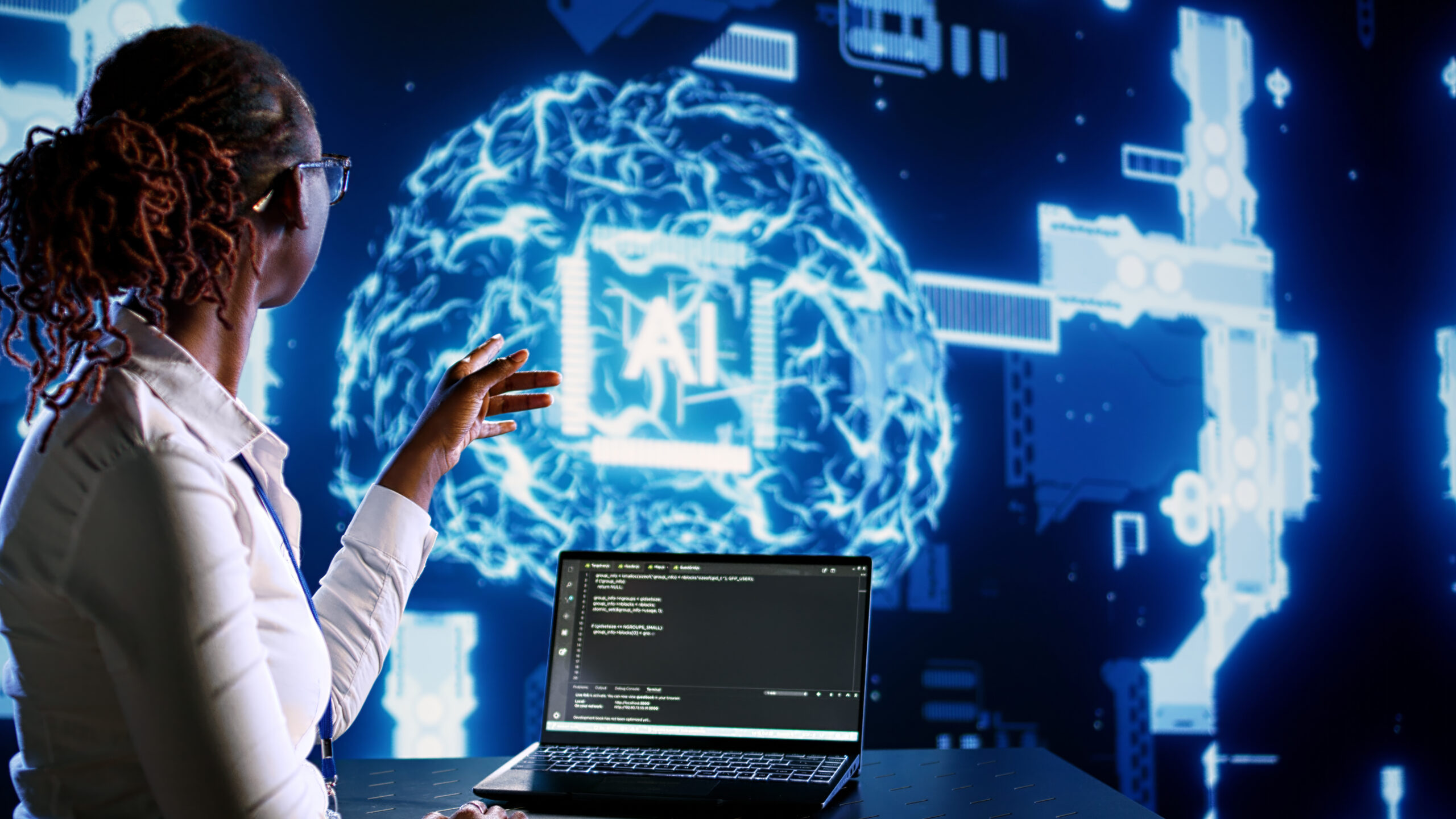
That’s where AI in healthcare coordination is transforming how teams connect, respond, and deliver care.
The Challenge—Communication Gaps in Critical Care
In hospitals and clinics, patient care depends on seamless collaboration between staff, systems, and devices. Yet disconnected communication remains one of the most significant obstacles to efficient care.
Nurses wait for alerts that never arrive. Email chains misplace lab results. Doctors switch between multiple dashboards to obtain the same data. These small gaps create large inefficiencies—and, in critical cases, real risks.
Insight: According to Johns Hopkins University, communication failures are among the leading causes of preventable medical errors in hospitals. Real-time data sharing and proactive alerts are key to improving patient safety.
Connecting People and Systems in Real Time
Every patient interaction generates data: vital signs, test results, medication orders, staffing schedules, and regulatory updates. But this information often remains trapped in silos.
Evenflow uses AI-driven communication to bridge those gaps—connecting EHR systems, clinical teams, and administrative departments.
When a patient’s condition changes, Evenflow automatically notifies the right nurses, physicians, and support staff. When lab results are ready, alerts arrive with context-aware insights, not just numbers. Teams stay informed instantly, reducing treatment delays and communication overload.
From Reactive to Proactive Care
Most healthcare communication still operates reactively—responding to problems after they happen. AI in healthcare coordination transforms this reactive model into a proactive one.
By connecting data streams in real time, Evenflow enables predictive workflows:
-
If patient vitals decline, AI alerts the care team before conditions worsen.
-
When equipment needs maintenance, it triggers scheduling automatically.
-
If compliance deadlines approach, administrative alerts ensure readiness.
Quick Fact: The U.S. Agency for Healthcare Research and Quality (AHRQ) found that hospitals implementing predictive communication systems reduced patient handoff errors by up to 30%.
This shift from reactive to proactive care doesn’t just streamline operations—it saves lives.
5 Powerful Ways AI Transforms Healthcare Coordination
1️⃣ Real-Time Alerts
AI-driven alerts instantly notify the right clinicians when a patient’s condition changes—from vital sign fluctuations to critical lab results.
By connecting systems, staff, and devices, platforms like Evenflow help teams respond faster, reduce delays in treatment, and improve patient safety across departments.
2️⃣ Automated Routing
AI eliminates manual handoffs and communication gaps by automatically delivering lab results, imaging reports, and prescriptions to the right care teams in real time.
This seamless routing prevents oversight, ensures immediate action, and reduces time lost chasing updates or waiting for information.
3️⃣ Predictive Maintenance
AI continuously monitors hospital equipment and connected devices to detect early signs of wear or malfunction.
By scheduling maintenance before a breakdown occurs, healthcare facilities avoid downtime, maintain operational efficiency, and ensure that patient care is never interrupted.
4️⃣ Smarter Compliance Tracking
AI keeps healthcare organizations audit-ready by automating documentation, monitoring deadlines, and alerting staff to upcoming compliance requirements.
This reduces the administrative load on teams and minimizes the risk of missed reporting or regulatory violations—allowing providers to focus on delivering quality care.
5️⃣ Reduced Burnout
By handling repetitive communication and administrative tasks, AI helps relieve clinicians from information overload.
When care teams can trust that updates, alerts, and results reach them at the right time, they can spend more energy on what matters most: their patients.
The Future of Connected Healthcare
The next evolution of medicine isn’t just digital—it’s intelligent.
AI doesn’t replace human expertise; it amplifies it.
Evenflow ensures that clinicians, support staff, and administrators operate with the same real-time intelligence. This shared awareness enhances patient safety, strengthens collaboration, and improves operational efficiency across the board.
Future Forecast: According to Harvard T.H. Chan School of Public Health, integrating AI into care coordination can reduce diagnostic errors and hospital readmissions by improving data visibility and interdepartmental communication.
By turning information into actionable insight, AI is helping healthcare teams stay aligned, efficient, and focused on what matters most—people.
Transforming Communication Into Smarter Care
In every hospital, clinic, and care network, coordination is the heartbeat of effective medicine.
Evenflow transforms that heartbeat into harmony—ensuring every alert, message, and decision moves at the speed of care.
Step into the next era of connected healthcare—connect with us today at Evenflow.world.